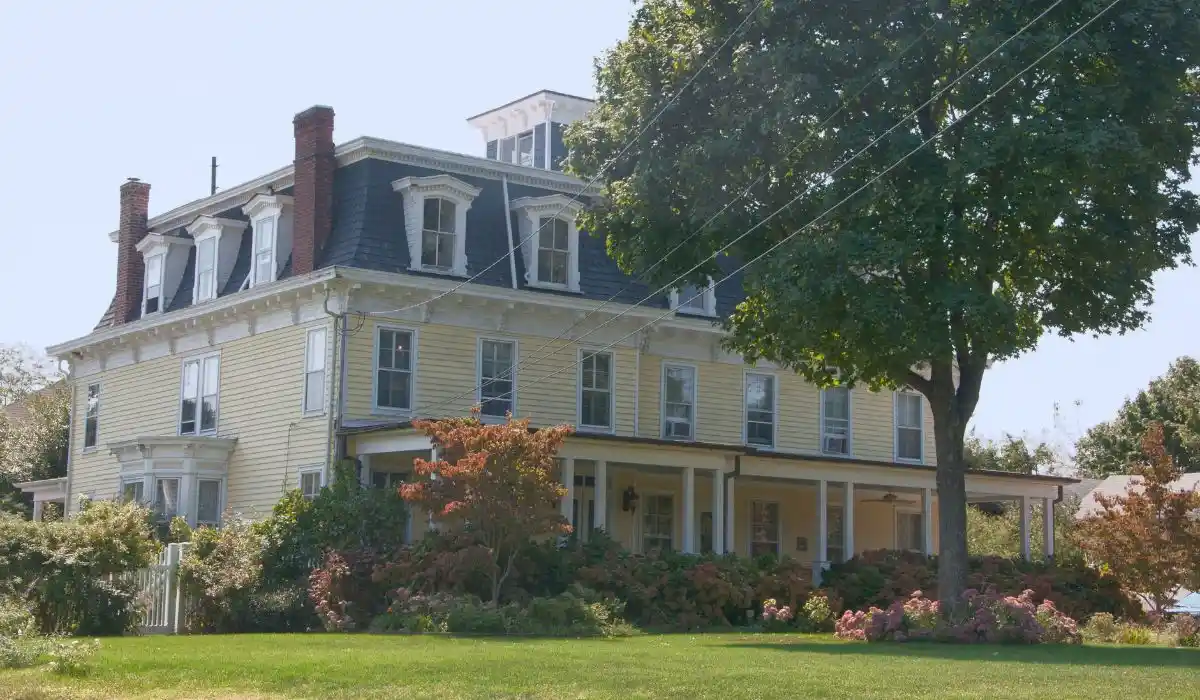
Commack sits at the northern edge of our coverage area, well inland. Its split-level housing stock and mature tree canopy shape the risk profile: crawlspace moisture problems and storm-driven roof damage from falling limbs.
Every water damage job follows the same core sequence, but which failure modes dominate changes from one community to the next, and that shapes how a crew arrives equipped.
About Commack
Central Suffolk Rainfall
Central Suffolk rain patterns can overwhelm older drainage systems during heavy storms.
Aging Water Heaters
Homes from earlier development waves are due for water heater replacement, a common failure point.
Suburban Split-Level Construction
Split-level homes common here have specific basement and crawlspace moisture patterns.
Mature Tree Canopy
Established neighborhoods with mature trees see more storm-related roof and siding damage.
Water Damage In Commack?
A crew can begin extraction today.
What Leads To Water Damage Here
Most calls trace back to a short list of recurring failures, several of them seasonal.
Burst supply lines during freeze-thaw cycles
Sump pump failure in heavy rain
Water heater and appliance failures
Roof and flashing leaks in wind-driven rain
Groundwater intrusion below grade
Sewer or septic backup at the lowest drain
Storm-drain backflow into low-lying property
HVAC condensate overflow into ceilings
How It Works
Dispatch
A crew is routed based on urgency.
Scope & Document
Damage recorded for your claim.
Dry Out
Air movers and dehumidifiers deployed.
Finish
Repairs completed to original condition.
Cost In Commack
Response time affects cost as much as severity. Water addressed within hours rarely needs the material removal a multi-day delay does.
Pricing for Commack work follows the same drivers as anywhere else: affected square footage, water category, and how much material can be dried in place. Local factors above can push a job toward the higher end where groundwater or surge is involved.
Ranges are typical starting points and vary by scope. Every job gets a written, itemized assessment before work begins — call for an evaluation.
Reducing The Risk
Insulate exposed pipe runs against exterior walls before winter.
Test the sump pump each autumn and consider a battery backup.
Keep gutters and downspouts clear so runoff drains away from the foundation.
Check under sinks and behind toilets for slow drips every few months.
Have the water heater inspected once it passes ten years of service.
Watch for unexplained increases on the water bill as an early leak signal.
What You Can Do Now
Move What You Can
Lift furniture and belongings clear of the wet area if it is safe.
Photograph Everything
Document conditions before anything is moved or cleaned up.
Avoid Wet Ceilings
Sagging drywall overhead can fail suddenly under the weight of water.
Keep Off Wet Carpet
Foot traffic drives water deeper into pad and subfloor.
Do Not Use A Household Vacuum
Standard vacuums are not rated for water and present a shock risk.
Open Interior Doors
Airflow between rooms helps until professional equipment arrives.
Working With Your Carrier
Some carriers require notification within a set window after discovery. Reporting promptly protects the claim even if you are still deciding how to proceed.
We document damage, provide detailed scope-of-work reports, and communicate directly with most major carriers. That documentation is provided to you regardless of whether you ultimately file.
If you are still weighing whether to open a claim, the on-site assessment and written scope cost the same either way. Nothing in the documentation obliges you to file. Plenty of property owners review the scope first, compare it against their deductible, and decide from there.
FAQs From Commack
No, Commack is within our standard dispatch area.
Average arrival runs around 60 minutes for active emergencies.
Yes, we document damage and work directly with most major carriers.
Yes, the line runs 24/7 including weekends and holidays.
Yes, all three verticals are dispatched to this area.
Yes, a written scope and range follows the on-site assessment.
Yes, both residential and commercial.
Below-grade spaces get dedicated extraction and extended dehumidification.
Yes, and delaying it can complicate the claim.