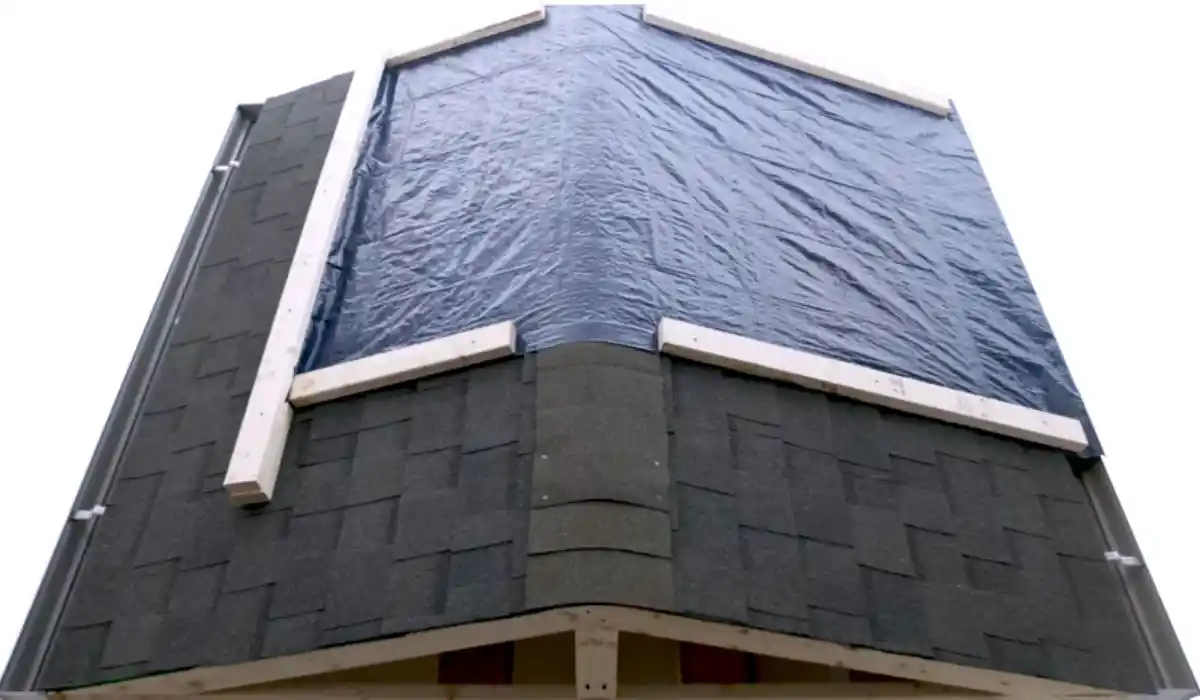
South Shore storms rarely cause a single problem. One nor'easter can mean roof intrusion, downed limbs, surge at the bulkhead, and drainage overload at the foundation simultaneously, which is why storm response is scoped as one event rather than four separate repairs.
How Storm Damage Restoration Works
The first priority is stopping ongoing intrusion, whether that means tarping a roof opening or securing a breached window. From there the assessment covers every path water took, since wind-driven rain enters through gaps that are not obvious from the ground. Extraction and drying follow, with structural repair scoped once the building envelope is sound.
What Leads To This
The sources below account for most water damage calls in this part of Suffolk County.
Wind-driven rain forced past roofing and flashing
Downed limbs puncturing roofing or siding
Bay surge overtopping low bulkheads during a nor'easter
Gutter and downspout failure under heavy rain volume
Window and door seal failure under high wind pressure
Storm-drain backflow into low-lying streets and driveways
Storm Damage Restoration Needed Now?
A crew can begin work today.
When To Call
Missing Or Lifted Shingles
Visible roof damage means water has likely already entered the deck.
Interior Staining After A Storm
New ceiling or wall stains following a weather event trace to envelope failure.
Debris Impact Damage
Punctures from limbs or flying debris in roofing, siding, or glazing.
Standing Water At The Foundation
Drainage overload pooling where it can find a way in.
Step By Step
Call Dispatch
Describe the damage, any hour.
Assess
On-site inspection and moisture mapping.
Extract & Dry
Standing water out, equipment placed.
Restore
Structure returned to pre-damage condition.
Why Islip Properties See This
A handful of local conditions raise water damage risk across the Town of Islip.
Freeze-Thaw Cycles
Repeated winter freezing stresses pipe joints until they fail.
High Water Table
Areas near Great South Bay sit close to groundwater year-round.
Connetquot Watershed
Interior flood risk driven by river and watershed overflow.
1940s-50s Housing Stock
Cape Cods and ranches in older neighbourhoods carry original plumbing.
Aging Water Heaters
Units past ten years are a leading sudden-failure point.
Sump Dependence
Below-grade spaces relying on a single pump with no backup.
Flat And Low Roof Sections
Areas where drainage is slow and ponding occurs.
Mature Tree Canopy
Root intrusion into laterals and limb damage during storms.
Cost Of Storm Damage Restoration In Islip
Scope drives price here more than volume does. How far water travelled and what it soaked into set the range.
Storm pricing depends on how many separate issues one event caused and whether temporary protection was needed. A single roof leak is at the low end; combined roof, siding, and lower-level flooding from the same system sits at the high end.
These figures are general starting ranges, not a fixed quote. A written assessment follows the on-site inspection, before work begins.
Reducing The Risk
Locate your main water shutoff now, before you need it in an emergency.
Replace washer and dishwasher supply hoses every five to seven years.
Insulate exposed pipe runs against exterior walls before winter.
Test the sump pump each autumn and consider a battery backup.
Keep gutters and downspouts clear so runoff drains away from the foundation.
Check under sinks and behind toilets for slow drips every few months.
What You Can Do Now
Avoid Wet Ceilings
Sagging drywall overhead can fail suddenly under the weight of water.
Keep Off Wet Carpet
Foot traffic drives water deeper into pad and subfloor.
Do Not Use A Household Vacuum
Standard vacuums are not rated for water and present a shock risk.
Open Interior Doors
Airflow between rooms helps until professional equipment arrives.
Shut Off The Water
If the source is plumbing, close the main valve before anything else.
Cut Power To The Area
Only if you can reach the panel safely and without standing in water.
Working With Your Carrier
Equipment days are an itemised part of the mitigation scope, which is the detail carriers most often query on a water claim.
We document damage, provide detailed scope-of-work reports, and communicate directly with most major carriers. That documentation is provided to you regardless of whether you ultimately file.
If you are still weighing whether to open a claim, the on-site assessment and written scope cost the same either way. Nothing in the documentation obliges you to file. Plenty of property owners review the scope first, compare it against their deductible, and decide from there.
FAQs
Our line runs 24/7, though travel conditions can affect arrival time during severe weather.
Yes, temporary protection to stop ongoing intrusion is part of the emergency response.
Wind-driven rain is often covered while surface flooding may not be. We document both.
We focus on the structure and water intrusion. Tree removal is typically a separate service.
If it is safe to do so, yes. We also document thoroughly on arrival.