Islip's Water Damage Specialists
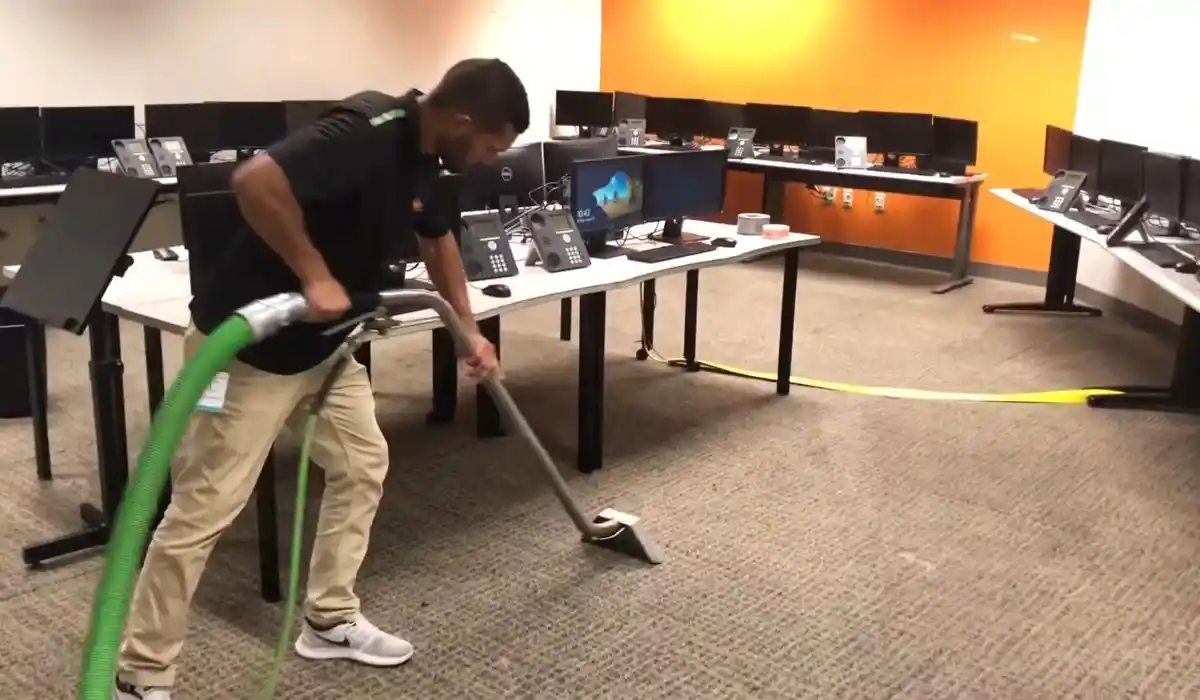
Water damage is the reason most Islip properties call a restoration crew, and it is rarely just a wet floor. Moisture wicks up through drywall, pools beneath engineered flooring, and settles into insulation where it sits unnoticed until it becomes a structural or air-quality problem. On the South Shore, the sources range from burst supply lines in a hard freeze to bay surge over a low bulkhead during a nor'easter.
A full water damage restoration covers four phases: stopping or isolating the source, extracting standing water mechanically, drying the structure with monitored equipment until framing and subfloor readings return to normal, and repairing whatever the water destroyed. Mitigation and repair are deliberately separate scopes, because mitigation is time-critical and can begin while an insurance claim is still under review.
What Leads To Water Damage Here
The sources below account for most water damage calls in this part of Suffolk County.
Burst or split supply lines behind walls and under fixtures
Water heater failure releasing the full tank volume
Washing machine and dishwasher hose failures
Roof and flashing leaks during wind-driven rain
Sump pump failure or power loss during heavy rain
Bay surge overtopping low bulkheads in a nor'easter
Storm-drain backflow into low-lying streets and driveways
Sewer or septic backup surfacing at the lowest drain
HVAC condensate line clogs overflowing into ceilings
Groundwater intrusion where the water table sits high
Water Damage Active Right Now?
A crew can begin extraction today.
When To Call
Standing Or Pooling Water
Any visible water that is not draining on its own.
Staining That Keeps Spreading
A mark still growing means material is still absorbing.
Soft Or Cupping Flooring
Give underfoot or deformed boards indicate subfloor saturation.
Musty Odour Within Days
Smell developing quickly points to moisture trapped in a cavity.
From First Call To Restored
Call Dispatch
Describe the damage, any hour.
Assess
On-site inspection and moisture mapping.
Extract & Dry
Standing water out, equipment placed.
Restore
Structure returned to pre-damage condition.
Why Islip Sees This
A handful of local conditions raise water damage risk across the Town of Islip.
Bay Surge Exposure
South Shore properties face tidal surge over low bulkheads during nor'easters.
Storm-Drain Backflow
Overwhelmed municipal drains push water back into low-lying streets.
Freeze-Thaw Cycles
Repeated winter freezing stresses pipe joints until they fail.
High Water Table
Areas near Great South Bay sit close to groundwater year-round.
Connetquot Watershed
Interior flood risk driven by river and watershed overflow.
1940s-50s Housing Stock
Cape Cods and ranches in older neighbourhoods carry original plumbing.
Aging Water Heaters
Units past ten years are a leading sudden-failure point.
Sump Dependence
Below-grade spaces relying on a single pump with no backup.
Cost Of Water Damage Restoration In Islip
Scope drives price here more than volume does. How far water travelled and what it soaked into set the range.
Two things drive the number more than anything else: how far the water travelled, and how much material can be dried in place rather than removed. Response speed is the variable you control — water extracted within hours rarely needs the demolition a multi-day delay forces.
Ranges are typical starting points and vary by scope. Every job gets a written, itemized assessment before work begins — call for an evaluation.
Reducing The Risk
Locate your main water shutoff now, before you need it in an emergency.
Replace washer and dishwasher supply hoses every five to seven years.
Insulate exposed pipe runs against exterior walls before winter.
Test the sump pump each autumn and consider a battery backup.
Water Damage FAQs
Average dispatch-to-arrival in the Islip area runs around 60 minutes for active emergencies.
Yes, we document the damage and communicate directly with most major carriers.
You receive a written scope and cost range after the on-site assessment, before any work begins.
Yes, and most carriers expect it to. Delaying mitigation can complicate a claim.
We check readings under flooring and open sections where needed to dry the structure properly.
Controlled drying with monitored humidity is the main defense. We track moisture until it clears.
Yes, both residential and commercial properties across the service area.
Commonly three to five days, though meter readings determine it rather than a fixed schedule.
Yes, structural and cosmetic repair follows once the structure is verified dry.
Yes. If a water event has led to mold, the same crew can scope and quote both in a single visit rather than two separate calls.
The on-site assessment is priced and confirmed with you before any work begins, based on the scope of the visit.