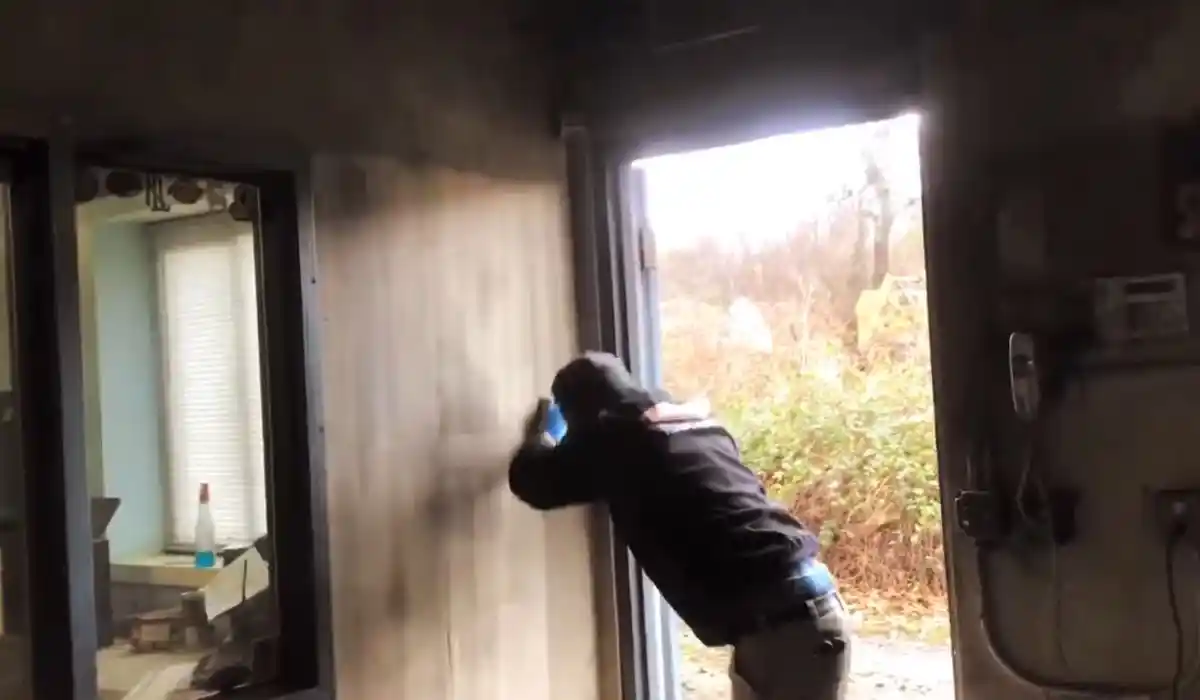
A fire leaves three separate problems behind, and all three have to be handled before a property is habitable again: structural damage from the flame itself, smoke and soot contamination that reaches well beyond the burn area, and water from the suppression effort that has to be extracted and dried like any other flood.
How Fire Damage Restoration Works
Restoration sequences those three problems deliberately. Suppression water comes first, because standing water compounds everything else while it sits. Soot and smoke cleanup follows, using methods matched to the residue type. Odour treatment comes after surface cleaning, once the depth of smoke penetration is clear. Structural repair is scoped last, when the building envelope is sound and dry.
What Leads To This
Most residential fire and smoke events trace back to a small number of triggers.
Unattended cooking and grease flare-ups
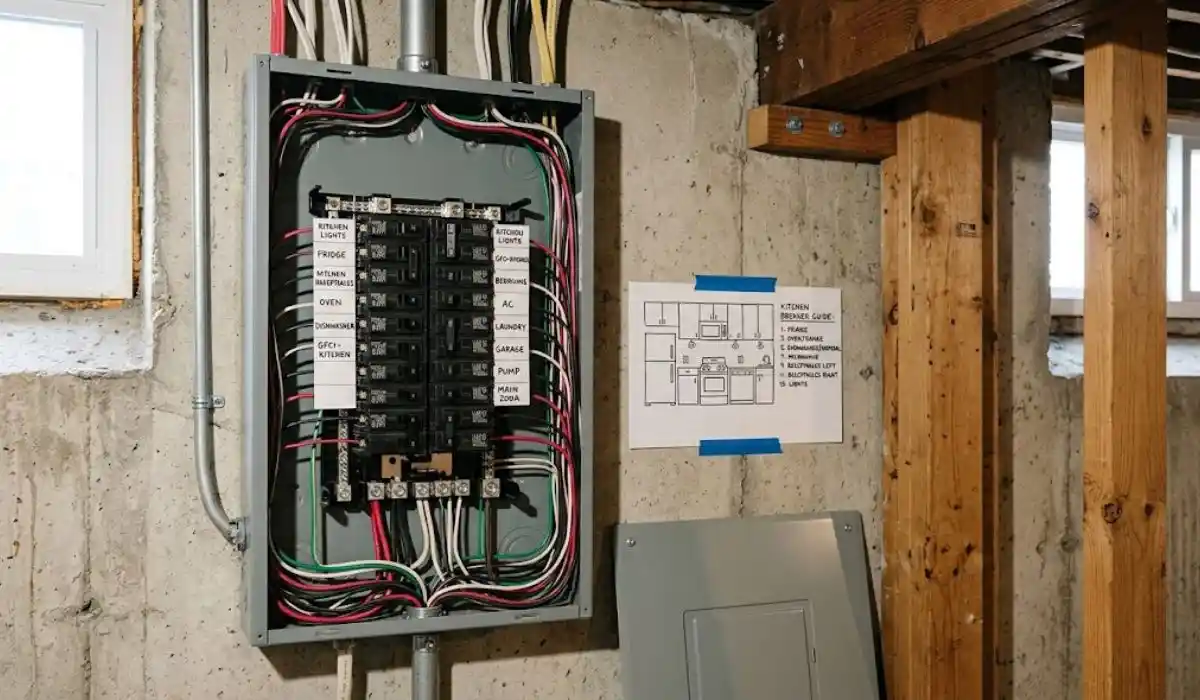
Electrical shorts in aging or overloaded circuits
Space heaters and portable heating equipment
Dryer lint accumulation igniting in vent lines
Chimney fires from creosote buildup
Oil furnace misfires and puffbacks
Lightning strikes during coastal storms
Fire Damage Restoration Needed Now?
A crew can begin work today.
When To Call
Visible Char And Structural Damage
Direct flame damage to framing, finishes, or roof structure.
Smoke Residue Beyond The Burn Area
Film on surfaces in rooms the fire never reached.
Standing Suppression Water
Water from firefighting that needs extraction like any flood.
Persistent Smoke Odour
Smell embedded in drywall, insulation, and soft goods.
Step By Step
Call Dispatch
24/7 line for fire and smoke events.
Damage Survey
Flame, smoke, and water scope mapped.
Clean & Treat
Soot removed, odor sources addressed.
Rebuild
Structural and cosmetic repair.
Why Islip Properties See This
A few local and seasonal factors raise fire risk for Islip-area properties.
Older Electrical Systems
Original wiring in mid-century homes carries higher short-circuit risk.
Heating Season Load
Long Island winters mean heavier space heater and fireplace use.
Oil-Fired Heating
Common locally, and a puffback source when service is deferred.
Attached Garage Layouts
Fires starting there reach living space faster than detached structures.
Dense Residential Blocks
Closely spaced homes raise the stakes on response time.
Kitchen-Centred Incidents
Cooking remains the leading residential fire trigger.
Original Chimney Stock
Older flues need annual creosote checks.
Older Electrical Systems
Original wiring in mid-century homes carries higher short-circuit risk.
Cost Of Fire Damage Restoration In Islip
Fire pricing follows the smoke footprint rather than the burn area, which is usually much larger than property owners expect.
The estimate is driven by how much of the structure was affected by flame versus smoke alone, since smoke-only damage across a wide area can exceed the cost of a small contained burn. Suppression water damage and duct treatment are near-universal additional components.
Ranges are typical starting points and vary by scope. Every job gets a written, itemized assessment before work begins — call for an evaluation.
Reducing The Risk
Never leave stovetop cooking unattended, even briefly.
Have chimneys and flues inspected annually before heating season.
Keep space heaters at least three feet from anything combustible.
Clean the dryer lint trap after every load and check the outside vent yearly.
Service oil-fired heating equipment annually to prevent misfires.
Avoid running permanent loads through extension cords.
What You Can Do Now
Wait For The All-Clear
Do not enter until the fire service has released the property.
Leave Soot Alone
Wiping residue with the wrong method drives it permanently into surfaces.
Shut Down The HVAC
Running the system spreads smoke residue into unaffected rooms.
Photograph Before Cleanup
Document conditions for your claim before anything is touched.
Remove Undamaged Valuables
Take items out of smoke-affected air where it is safe to do so.
Avoid Powering Damaged Appliances
Anything exposed to heat or water needs inspection first.
Working With Your Carrier
Fire claims usually involve three separate damage categories at once, and carriers expect each documented distinctly: structural loss, smoke and soot contamination, and suppression water damage.
We document damage, provide detailed scope-of-work reports, and communicate directly with most major carriers. That documentation is provided to you regardless of whether you ultimately file.
If you are still weighing whether to open a claim, the on-site assessment and written scope cost the same either way. Nothing in the documentation obliges you to file. Plenty of property owners review the scope first, compare it against their deductible, and decide from there.
FAQs
Yes, odour treatment is part of the restoration scope rather than an add-on.
Yes, extraction and structural drying from suppression water is included.
As soon as the scene is safe. Soot is acidic and keeps damaging surfaces while it sits.
Yes, we document damage and communicate directly with most major carriers.
Contents assessment can be included in the overall scope.
Yes, a documented scope and cost range precede any work.
Days for a contained smoke event, considerably longer where structural rebuild is involved.
Where the system circulated during or after the fire, yes.
Only once the fire service has released it as safe.