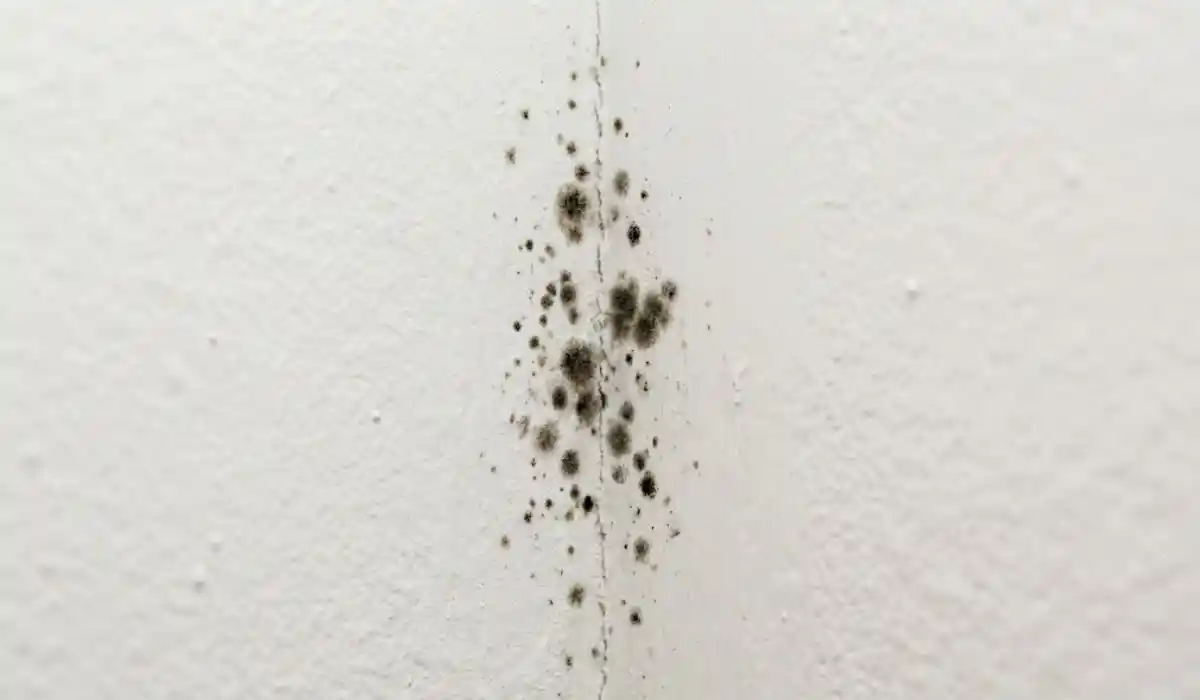
New York State Labor Law Article 32 is the first statewide mold licensing law in the country, and it did not appear out of general concern about indoor air quality. It was a direct response to what happened across Long Island and New York City in the aftermath of Superstorm Sandy, when thousands of homeowners dealing with flood-damaged properties were exploited by contractors who had no real training in mold assessment or remediation but were happy to take a check anyway. The law took effect January 1, 2016, and it changes what a legitimate mold response actually looks like for anyone dealing with flood damage in Islip today.
The Core Rule: Assessor And Remediator Must Be Different Companies
Article 32 draws a hard line between two roles that, before the law, were often handled by the same company with an obvious conflict of interest built in. A New York State Licensed Mold Assessor is the only party legally permitted to determine whether a mold concern exists, what the scope of remediation should be, and to issue a written Mold Remediation Plan. A separate, independently licensed Mold Remediation contractor then performs the physical work described in that plan. The same company cannot legally perform both roles on the same project.
The logic is straightforward. A company that profits from a larger remediation job has an incentive to find, or claim to find, more mold than is actually present if that same company is also the one that gets to write the scope and then bill for executing it. Requiring an independent assessor removes that incentive. If you are contacted by a single company offering to both inspect and clean up mold in the same visit, that arrangement does not comply with New York law, regardless of how the pitch is framed.
When The Law Actually Applies
Article 32's licensing and written-plan requirements apply once the area of concern reaches 10 square feet or more. Below that threshold, the law includes provisions allowing a homeowner to address a small mold removal situation on their own property without hiring licensed professionals at all. For anything at or above that size, a licensed assessor's involvement, and a written plan before remediation starts, is not optional.
That written plan has to specify real detail: which rooms and areas are affected, the quantity of material to be removed, the containment methods required, and the cleaning protocols to be used on surfaces that are staying rather than being torn out. Without that document in hand, a remediation contractor is not legally permitted to begin work in New York State.
Why This Matters More After A Flood
A flooded basement is exactly the scenario Article 32 was built around. Water damage that isn't fully dried within roughly 24 to 48 hours creates the conditions mold needs to establish itself, and a property that just went through a nor'easter or a burst pipe over a hard freeze is a prime candidate for exactly that timeline slipping. The rush to get a basement cleaned up and livable again is precisely when corners get cut, and precisely the situation Article 32's post-Sandy origin was meant to prevent from repeating.
There's also a practical insurance dimension. Some carriers will decline to cover mold remediation performed without proper Article 32 documentation in place, which means skipping the licensed-assessor step is not just a legal risk but potentially a financial one if a claim gets denied over missing paperwork.
What To Ask Before Hiring Anyone
Ask directly whether the company performing your assessment is a separate, independently licensed entity from whoever would perform remediation. Ask to see the written Mold Remediation Plan before any work begins, and confirm it names specific rooms, material quantities, and containment methods rather than a vague general scope. And if a single company offers to do the whole job start to finish in one visit, treat that as the clearest signal that something is not being done according to New York law, however reasonable the sales pitch sounds in the moment.
What Happens After Remediation Is Complete
Article 32 also governs what happens once the physical remediation work is finished. The licensed assessor, not the remediation contractor, is responsible for post-remediation clearance, confirming the work described in the original plan was actually completed and that the area is free of visible mold and mold odor before it's considered resolved. This clearance step is what closes the loop on the conflict-of-interest concern the whole law is built around: the party that determines whether the job is done correctly is never the same party that got paid to do the job.
For a homeowner, this means the process has a natural checkpoint built in, and it's worth insisting on that clearance documentation rather than simply taking a remediation contractor's word that the work is complete. Keep the clearance letter alongside the original remediation plan; both matter if you sell the property later, since documented, licensed mold remediation history is something buyers and their inspectors increasingly ask about directly on Long Island.
The Cost Structure This Creates
Requiring two separate licensed parties instead of one does add a step, and sometimes a modest cost, compared to a single-company approach. That's a deliberate tradeoff written into the law, prioritizing the elimination of the scope-inflation incentive over the marginal convenience of one-stop service. Given what prompted the law in the first place, homeowners paying inflated remediation bills for overstated mold problems in the aftermath of Sandy, that tradeoff has generally been viewed as the right one across the industry, even by companies that would otherwise prefer to offer both services themselves.
Enforcement And What It Means For Homeowners
The New York State Department of Labor has increased enforcement activity around Article 32 compliance in recent years, which cuts both ways for homeowners. On one hand, it means the licensed professionals you hire are operating under more active oversight than in the law's early years. On the other, it means a homeowner who unknowingly hires a single company for both assessment and remediation, even without any bad intent on anyone's part, can end up with remediation work that's technically non-compliant, potentially complicating an insurance claim or a future real estate transaction. Verifying separate licensure before work begins isn't excessive caution; it's confirming the job will hold up to scrutiny later.